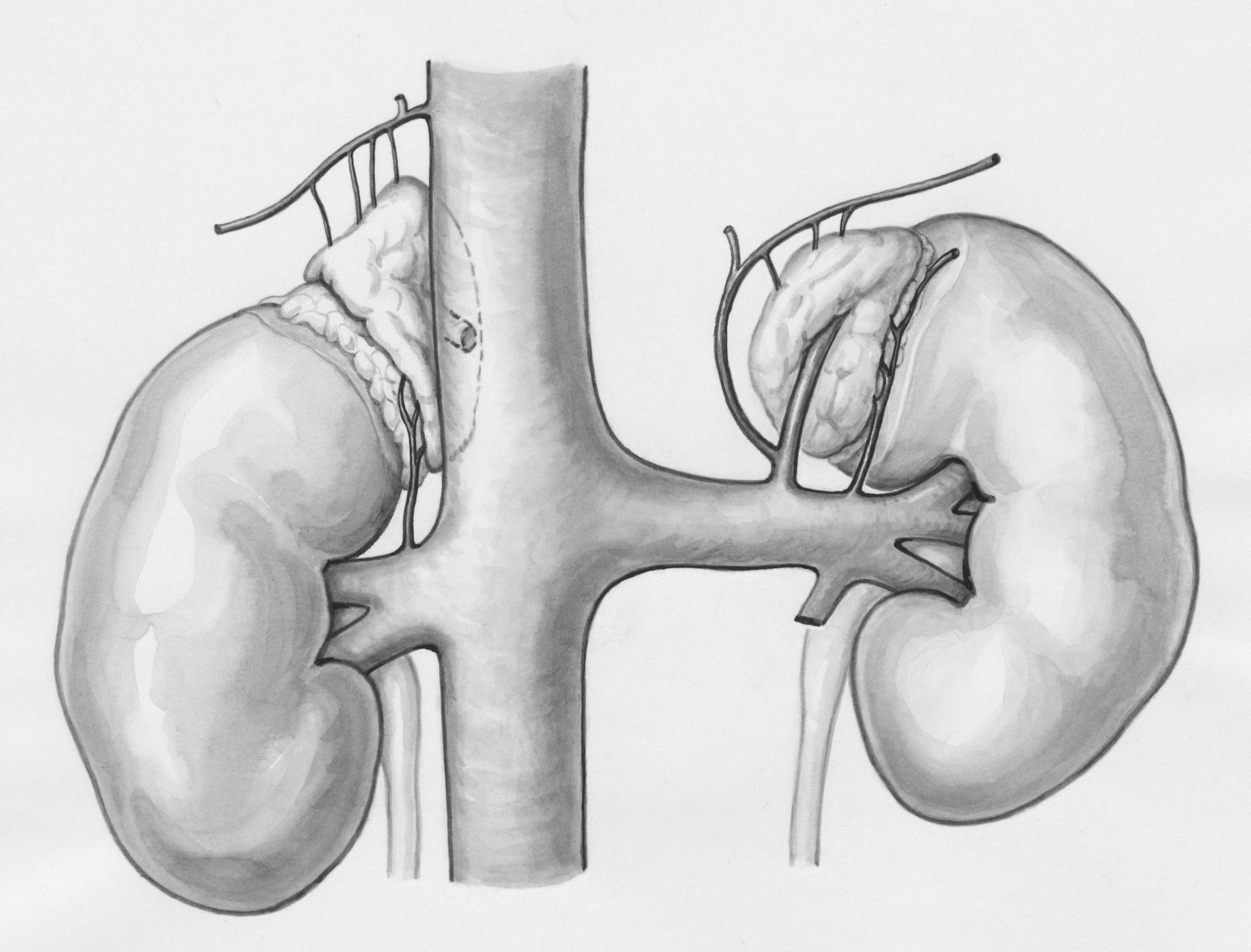
This page explains what chronic kidney disease (CKD) means, what usually happens next, and where to find reliable support.
If you have been given a new diagnosis of CKD, please click here for further information.
What is CKD?
Chronic kidney disease means your kidneys are not working as well as they used to. Many people with CKD have mild disease and no symptoms; most are managed by their GP and do not need specialist treatment.
How is CKD diagnosed?
CKD is usually identified from blood and urine tests. Blood tests estimate how well your kidneys filter waste. It can also tell us the stage of your kidney disease. The urine checks look for protein or blood.
What are the common causes of CKD?
The common causes or contributors include:
- Diabetes and high blood pressure (the most frequent causes)
- Being overweight, high cholesterol, repeated kidney infections, urine blockages (e.g., stones or enlarged prostate), or long-term use of some medicines such as ibuprofen
What does this means for you now?
Many people with early-stage CKD do not need treatment beyond monitoring and lifestyle measures. Only a small proportion progress to needing dialysis or a transplant. You do not need to contact your GP or have further tests or treatment right now - this message is to keep you informed. For moderate to severe CKD, your doctor may suggest some medications that protect the kidneys, and if required they will refer you to the kidney specialist.
If you have been given a new diagnosis of CKD, please click here for further information.
You will be invited for an annual review (usually in your birthday month) at the GP surgery to check blood pressure, repeat blood tests and a urine sample.
What things you can do to protect your kidneys:
- Keep blood pressure, diabetes and cholesterol under control.
- Be active (aim for regular activity such as walking).
- Maintain a healthy weight and balanced diet including reduce salt
- Stop smoking
- Check with a pharmacist or GP before using over-the-counter medicines like anti-inflammatories (such as ibuprofen) regularly
When to get help sooner
Contact your GP if you develop new symptoms such as swelling (ankles, face), shortness of breath, blood in your urine, or other worrying changes.
Where to find more information and support
- Kidney Care UK: leaflets and support services
https://kidneycareuk.org/get-support/free-resources/patient-information-booklets/
- NHS: Kidney disease overview
https://www.nhs.uk/conditions/kidney-disease/